How to Get Permanent Marker Off a Whiteboard?
I understand how frustrating it can be to accidentally use a permanent marker on a whiteboard—they look so similar to whiteboard markers that it happens more often than you’d think. Having spent over 10 years in the office supplies industry, I’ve seen it all. Today, I’m sharing my tried-and-true methods for removing those stubborn permanent marker stains.
To remove permanent marker from a whiteboard, draw over the marks with a dry-erase marker and wipe away both inks. The fresh ink reactivates the old, making it easy to erase. Alternatively, use isopropyl alcohol or a whiteboard cleaner for lingering stains—these methods work even without a dry-erase marker, ensuring a clean surface.
In this blog post, we’ll explain step-by-step how to remove permanent marker stains from whiteboards, using effective methods that ensure your board stays clean and functional.

Is Permanent Marker Permanent on Whiteboard?
Permanent marker is not permanent on a whiteboard. While it can be difficult to remove, the dried ink doesn’t bond permanently with the surface. With the right techniques, such as using a dry-erase marker, rubbing alcohol, or whiteboard cleaner, you can effectively erase even the toughest permanent marker stains.
Many believe that once a permanent marker touches a whiteboard, the mark is there to stay. This common misconception arises from the word “permanent” itself, which suggests that the ink is impossible to remove. However, on a whiteboard, this isn’t entirely true.
Permanent markers adhere to whiteboard surfaces because the ink is designed to stick to non-porous materials like plastic, metal, and glass. Whiteboards, with their smooth, glossy surfaces, are particularly prone to this adhesion, making it seem like the marks are permanent.
The ink’s solvent dries quickly, leaving behind pigments that bond strongly to the board, making them difficult to wipe away with a regular eraser.
Whiteboard surfaces are specifically designed to repel ink. They are coated with a non-porous material, typically a laminate or porcelain, which prevents most inks from seeping in.
This coating allows dry-erase markers to be easily wiped away, but it also means that even permanent markers can be removed with the right approach. The key is using a method that can break down the oil-based ink without damaging the whiteboard’s surface.
However, with the right techniques, these “permanent” marks can be effectively removed. Methods like using a dry-erase marker, which helps to lift the ink, or applying isopropyl alcohol, can break down the ink’s bonds and make it easy to wipe away. So, while the marker may be labeled as permanent, it can still be removed on a whiteboard.
Now, let’s discuss how to get permanent marker off a whiteboard.
Recommended Read: For more tips on maintaining a clean whiteboard, check out my previous blog post, “The Ultimate Guide to Cleaning a Whiteboard.” It offers detailed advice on regular cleaning and upkeep to keep your board in top shape.
How to Get Permanent Marker Off a Whiteboard?
To remove permanent marker from a whiteboard, start by drawing over the stains with a dry-erase marker and wiping away both inks. If needed, use isopropyl alcohol, whiteboard cleaner, or a vinegar solution for tough stains. A magic eraser can also be effective. These methods will help restore your whiteboard to pristine condition.

1. Use a Dry-Erase Marker
One of the simplest and most effective methods for removing permanent marker from a whiteboard involves using a dry-erase marker.
Start by drawing directly over the permanent marker stains with the dry-erase marker.
This technique works because the dry-erase ink helps to break down the stubborn permanent ink, making it easier to lift off the surface.
Once you’ve covered the stains with the dry-erase marker, grab a clean, dry whiteboard eraser or a soft cloth.
Gently wipe away both the newly applied dry-erase ink and the old permanent marker ink. The combination of the two inks should come off together, leaving your whiteboard looking fresh and clean.
This method is not only effective but also quick, making it a go-to solution for those unexpected permanent marker mishaps.
However, this method requires you to specifically get a dry-erase marker. But worry not because in case you and in a hurry and don’t want to get a dry-erase marker, continue reading as I will share some substitutes.
2. Apply Isopropyl Alcohol
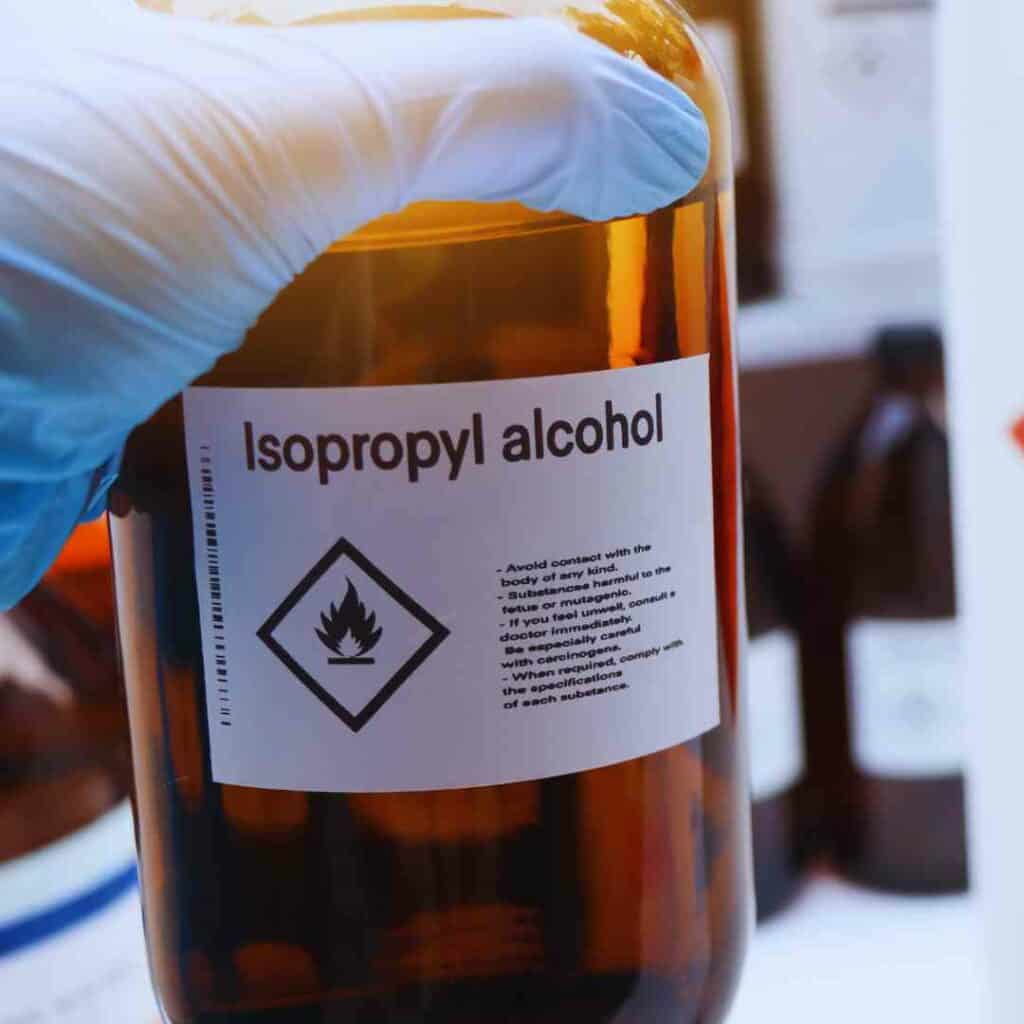
Isopropyl alcohol, also known as rubbing alcohol, is a highly effective solution for removing permanent marker stains from whiteboards. Simply dampen a cloth with isopropyl alcohol and gently rub the stained area. The alcohol dissolves the permanent ink, making it easier to wipe away.
While ethyl alcohol can also be used for this purpose, isopropyl alcohol is often recommended because it’s more cost-effective. Both types of alcohol perform the same task, but ethyl alcohol tends to be a bit pricier.
Isopropyl alcohol can sometimes be a bit messier compared to using a dry-erase marker. To manage this, prepare some microfiber towels or clean cloths to wipe away the alcohol and any dissolved ink. This method will ensure your whiteboard is thoroughly cleaned without excessive hassle.
3. Use a Whiteboard Cleaner
Many people may not realize that whiteboard cleaners are readily available, either at grocery stores or online.
These cleaners are specially formulated to tackle whiteboard stains and ghosting, often outperforming standard alcohol in effectiveness. They are designed to break down and remove even the toughest marks, including persistent permanent ink stains, also known as ghosting.
Whiteboard cleaners are an excellent choice, particularly for long-dried permanent marker stains that are difficult to remove with other methods.
However, in my experience, using a dry-erase marker or isopropyl alcohol is usually sufficient for most cleaning needs. Whiteboard cleaners are a valuable tool to have on hand, but they’re typically not necessary unless the stains are particularly stubborn or old.
4. Use a Vinegar Solution
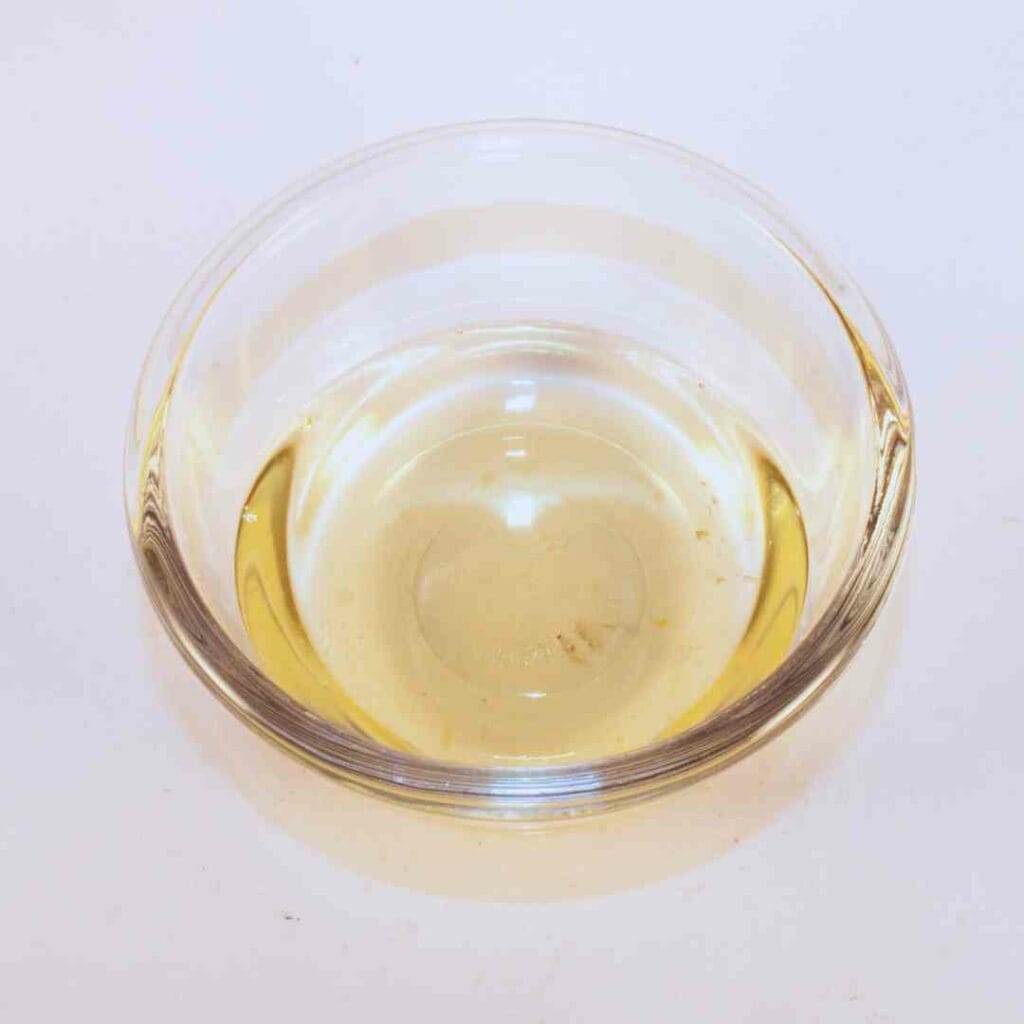
For those who prefer DIY solutions, a vinegar mixture can be a viable option for cleaning a whiteboard.
Vinegar is a natural cleaner and can help lift permanent marker stains from the board. However, it’s important to exercise caution. If your whiteboard has a metal frame that is not rust-proof, vinegar can potentially cause rusting over time.
To create a vinegar solution for cleaning, mix equal parts white vinegar and water in a spray bottle. Shake well to combine. Spray the solution directly onto the permanent marker stains and let it sit for a few minutes. Then, gently scrub the area with a cloth or sponge and wipe clean with a damp cloth.
While vinegar can be effective, I personally don’t recommend it for this purpose due to the potential risk of rust. In most cases, a dry-erase marker or isopropyl alcohol will be more effective and safer for maintaining your whiteboard.
5. Use a Magic Eraser
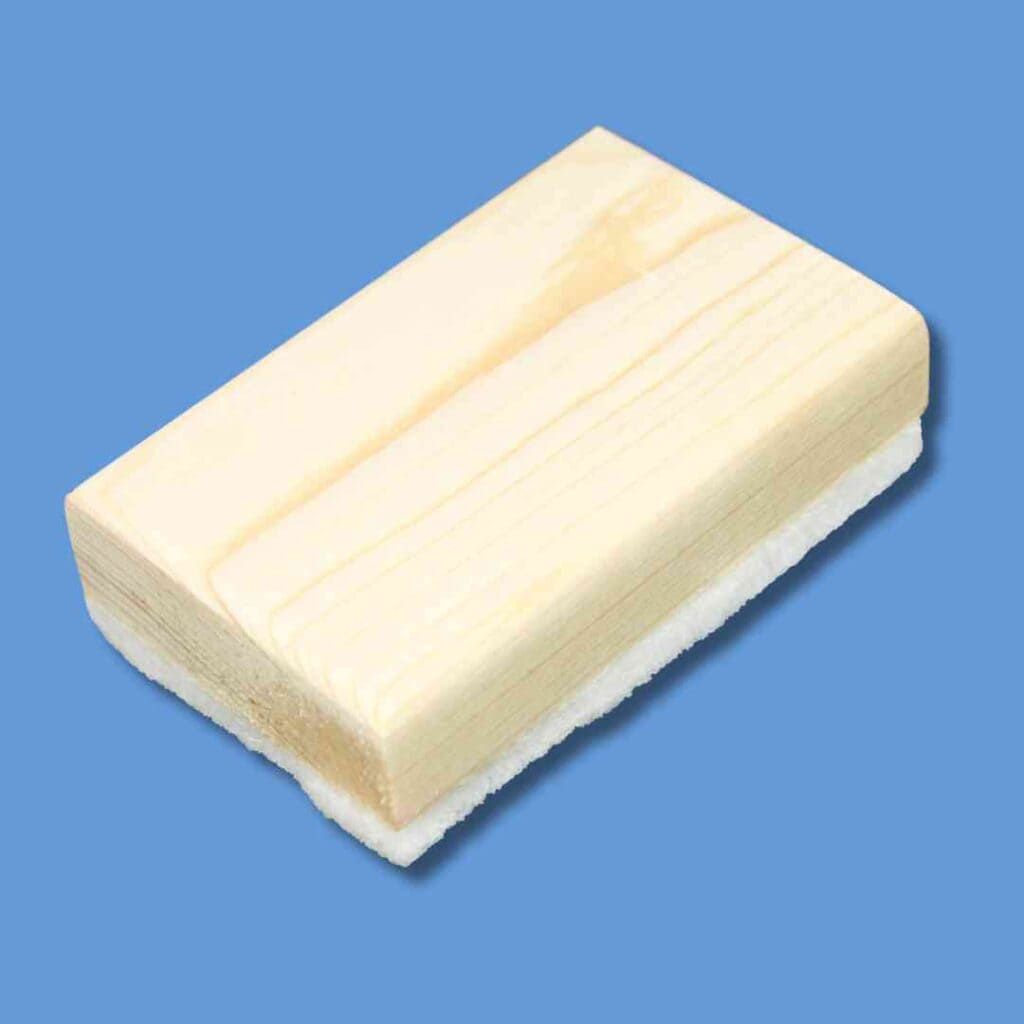
A magic eraser is another effective tool for removing permanent marker stains from whiteboards. This handy cleaning product is designed to tackle tough stains and grime, making it a strong contender for whiteboard maintenance.
To use a magic eraser, lightly moisten it with water. Gently rub the stained area on the whiteboard with the eraser, focusing on the permanent marker marks.
The magic eraser’s micro-abrasive texture will help lift the ink off the board without causing damage.
After cleaning, wipe down the area with a damp cloth to remove any residue left by the eraser. While magic erasers are highly effective, they can sometimes leave behind a bit of residue, so a final wipe with a clean cloth ensures your whiteboard is spotless.
In my experience, magic erasers are great for stubborn stains, but for regular maintenance, dry-erase markers and isopropyl alcohol are usually sufficient.