Porcelain Whiteboards: Everything You Need to Know
Porcelain whiteboards are known for their durability and smooth writing surface, making them a top choice in professional settings. With my 10+ years of experience in the office supplies industry, I’ve learned how these boards compare to other options like melamine and glass. Let’s explore why porcelain whiteboards might be the perfect solution for your space.
Porcelain whiteboards are high-quality, durable boards made with a steel core coated in a layer of ceramic (porcelain) baked at high temperatures. This process creates a smooth, non-porous surface ideal for dry erase markers. Porcelain boards resist scratches, dents, and ghosting, making them a popular choice for heavy-use environments like schools and offices.
Porcelain whiteboards offer a premium solution for those seeking durability and a smooth writing experience. But how do they compare to other types like melamine or painted steel? In this post, we’ll explore the pros and cons, lifespan, and whether porcelain boards are the best choice for your needs. Keep reading to find out!

What Are Porcelain Whiteboards?
Porcelain whiteboards are high-quality writing surfaces constructed from a steel backing coated with a layer of baked ceramic, or porcelain.
This unique construction not only gives them a sleek and professional appearance but also makes them incredibly durable and resistant to wear over time.
As a result, porcelain whiteboards are a popular choice for heavy-use environments such as offices, classrooms, and conference rooms, where longevity and performance are paramount.
Generally speaking, porcelain dry erase boards are better because they offer exceptional durability and resistance to scratches and ghosting, ensuring a long-lasting and clear writing surface. However, they tend to come at a higher price point compared to other whiteboard options, making them a more significant investment for those prioritizing quality and longevity.
Thus, porcelain boards are often regarded as superior to other types of whiteboards due to several key factors.
Firstly, their long-lasting surface is highly resistant to scratches, stains, and ghosting, which can be common issues with lower-quality boards. This means that even with regular use, the writing surface remains clear and easy to read.
Additionally, porcelain whiteboards provide a remarkably smooth writing experience, allowing dry erase markers to glide effortlessly across the surface.
This smoothness enhances the overall writing and erasing experience, making it easier to maintain a tidy presentation.
Moreover, porcelain boards require less frequent maintenance compared to other materials, saving time and effort in keeping them clean.
Overall, their durability, smooth writing surface, and resistance to wear make porcelain whiteboards an excellent investment for those seeking a reliable and long-lasting option.
How to Tell if a Whiteboard is Porcelain?
To identify a porcelain whiteboard, look for a smooth, glass-like surface that feels durable and resists scratching. Check for magnetic properties, weight, and a glossy finish. Additionally, consulting manufacturer specifications can confirm whether a board is porcelain, ensuring you select a high-quality option for your needs.
Identifying a porcelain whiteboard can be straightforward if you know what to look for. Here are some key features that can help you determine whether a whiteboard is made of porcelain:
- Surface Texture: Porcelain whiteboards have a smooth, glass-like finish. Run your hand over the surface; it should feel sleek and resistant to scratching. If the surface feels rough or porous, it may not be porcelain.
- Durability: Porcelain boards are known for their durability and resistance to wear. If the board has been used for a long time and shows minimal signs of scratching or ghosting, it is likely porcelain. In contrast, other boards, like melamine or laminate, may show signs of wear more quickly.
- Magnetic Properties: Many porcelain whiteboards are magnetic, allowing you to attach notes or documents with magnets. If a magnet sticks firmly to the surface, it could indicate a porcelain board. However, note that not all porcelain boards are magnetic, so this is just one indicator.
- Weight: Porcelain boards are generally heavier than their melamine or laminate counterparts. If you’re able to lift the board, the weight can be a clue. If it feels particularly hefty, it’s likely made of porcelain.
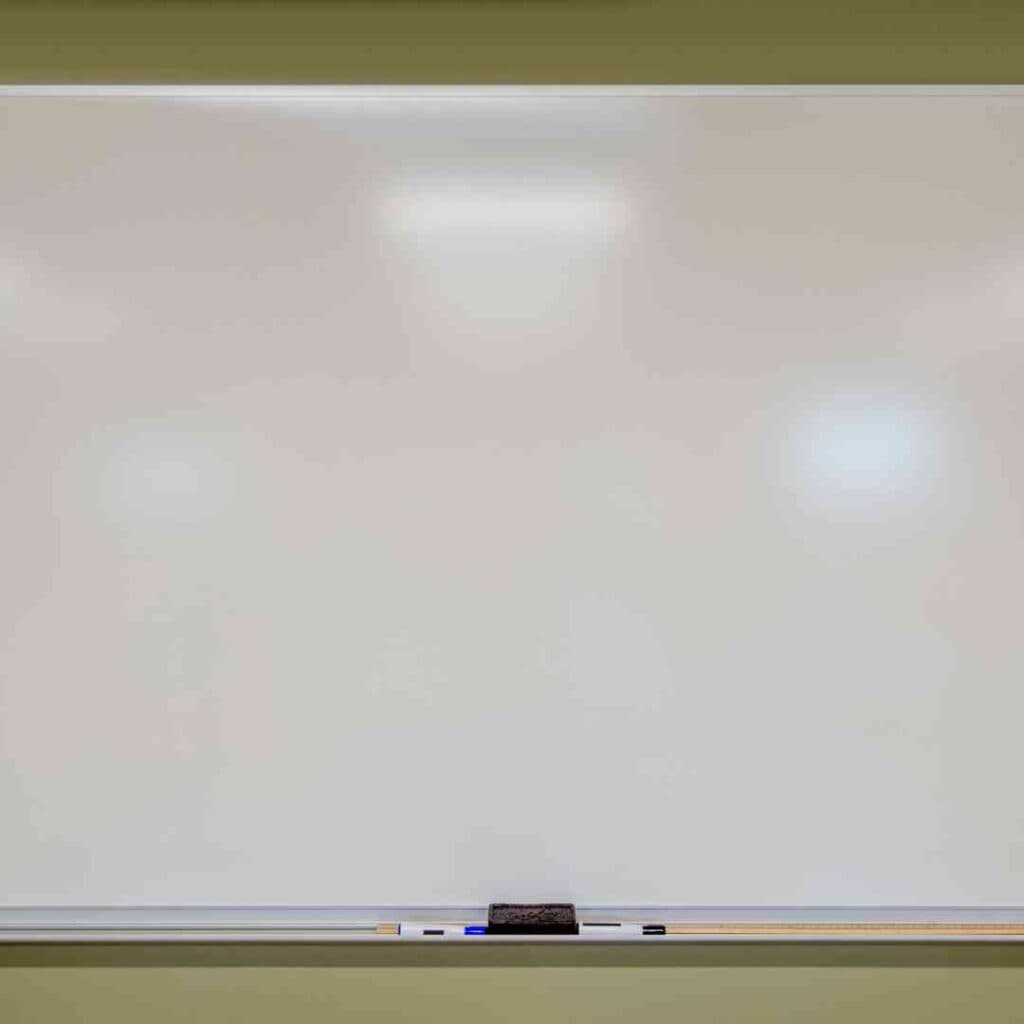
- Color and Shine: Porcelain boards typically have a bright, glossy finish that reflects light. If the surface has a dull appearance or shows signs of fading, it may not be porcelain.
- Manufacturer Specifications: If possible, check the specifications from the manufacturer or seller. Many reputable brands will clearly state if their whiteboards are porcelain.
By keeping these characteristics in mind, you can easily identify whether a whiteboard is porcelain, ensuring you choose the best option for your needs.
How Do Porcelain Whiteboards Compare to Other Whiteboards?
Porcelain whiteboards excel in durability and longevity, lasting 10 to 25 years with proper care, far outlasting most boards. Their smooth writing surface is highly resistant to ghosting, making them ideal for professional settings. While they may cost more, their quality and durability make them a smart investment.
Durability and Lifespan
Porcelain whiteboards are known for their exceptional durability, making them an excellent choice for high-traffic areas like classrooms and meeting rooms. Unlike melamine boards, which are prone to scratching and damage, porcelain boards can withstand heavy use without showing signs of wear.
Typically, they last significantly longer than both melamine and painted steel whiteboards, often exceeding a decade when maintained properly.
In comparison to glass boards, porcelain offers a similar level of durability but at a more accessible price point.
Recommended Read: I created a blog post differentiating all the different types of whiteboards including porcelain whiteboards here: Different Types of Whiteboards
How Long Do Porcelain Whiteboards Last?
Porcelain whiteboards can last anywhere from 10 to 25 years, depending on the quality of the board and how well it is cared for. Regular cleaning and maintenance can significantly extend their lifespan. Unlike lower-quality boards like melamine, which generally last around 3 to 5 years, porcelain does not degrade quickly under frequent use, making it a reliable investment for long-term use.
Surface Smoothness and Ghosting
Porcelain whiteboards provide an exceptionally smooth writing surface that minimizes ghosting, making them an excellent choice for environments where clarity is essential.
In contrast, glass boards also offer a smooth surface, but they may show ghosting if lower-quality markers are used.
Magnetic whiteboards can vary in smoothness depending on their coating, and laminate boards are more prone to ghosting, especially with frequent use.
Price Range
In terms of cost, porcelain whiteboards are typically priced higher than melamine and painted steel options, reflecting their superior durability and quality.
However, they are often more affordable than high-end glass boards. This price range makes them a worthwhile investment for those seeking a long-lasting solution, as their longevity can offset the initial costs over time.
Ultimately, while melamine boards are a budget-friendly choice, porcelain whiteboards offer a combination of durability, smoothness, and longevity that makes them a better option for serious users.
Usability
Porcelain whiteboards are ideal for settings requiring frequent use, such as classrooms and conference rooms.
Glass boards provide a sleek, modern look but may not be as practical for heavy writing tasks.
Magnetic whiteboards add versatility for attaching materials, while laminate boards are better suited for temporary or low-use scenarios due to their lower durability.
Pros and Cons of Porcelain Whiteboards
Porcelain whiteboards are ideal for anyone needing a long-lasting, high-quality writing surface for frequent use.
In this section, we are going to discuss the Pros and Cons of Porcelain Whiteboards.
Pros:
- Extremely Durable and Long-Lasting: Porcelain whiteboards can last anywhere from 10 to 25 years, making them a cost-effective choice in the long run.
- Smooth Surface: They offer a writing surface that resists ghosting and scratching, ensuring clarity during presentations and meetings.
- Ideal for Heavy Use: These boards are excellent for environments that require frequent writing and erasing, such as classrooms and conference rooms.
Cons:
- Higher Price: Porcelain whiteboards tend to be more expensive than other options like melamine or painted steel, which might be a consideration for budget-conscious buyers.
- Weight: Their heavier construction can make installation more challenging, requiring additional support or hardware.
In summary, porcelain whiteboards stand out for their exceptional durability, smooth writing surface, and resistance to ghosting and scratching, making them perfect for heavy use in professional settings. While they come at a higher price and are heavier to install, their long-lasting performance makes them a worthwhile investment for frequent use.