Does Vinegar Clean Whiteboards? A Simple Guide to Whiteboard Care
Removing stubborn whiteboard marker stains can be challenging, leading many to explore creative DIY cleaning methods. Vinegar is a common household item often suggested for this purpose. But does vinegar actually work on whiteboards? Let’s dive into whether vinegar is an effective solution for removing those pesky stains.
Vinegar can help remove whiteboard marker stains, but it may not be the most effective solution for all situations. The acidity in vinegar can break down the ink, making it easier to wipe away. However, vinegar is not specifically designed for whiteboards and may leave residue or cause damage over time, especially to non-glass surfaces.
In this post, we’ll explore if vinegar truly removes whiteboard markers, how to use it effectively, the pros and cons of its use, and whether it’s safe for all types of boards. Plus, discover some great alternatives to vinegar for keeping your whiteboard spotless!

Does vinegar clean whiteboards?
Vinegar can help remove whiteboard marker stains, but its effectiveness can depend on several factors, including the type of whiteboard surface and how long the marker ink has been there.
The acetic acid in vinegar works to dissolve the pigments and oils found in whiteboard markers, making it easier to wipe away stains.
For light or fresh marks, vinegar can often be enough to clean the surface with a few gentle wipes.
However, for older or more stubborn stains, vinegar alone requires multiple applications and some elbow grease.
While vinegar is a convenient and eco-friendly cleaning option, it’s not without drawbacks. It may leave a residue on non-glass surfaces, affecting the board’s condition over time.
Moreover, using vinegar on whiteboards with metal frames that aren’t rust-proof can accelerate rusting.
The acidity in vinegar can corrode metal parts, particularly on boards with aluminum or other non-stainless materials, leading to long-term damage.
Wondering if vinegar is the best option for your whiteboard? Keep reading to find out how to use vinegar effectively, the pros and cons of this approach, and whether it’s safe for all types of whiteboards!

How to Use Vinegar for Cleaning a Whiteboard
Using vinegar to clean a whiteboard is straightforward, but it requires some careful application to avoid damage.
Here’s a step-by-step guide to help you use vinegar in cleaning whiteboards effectively:
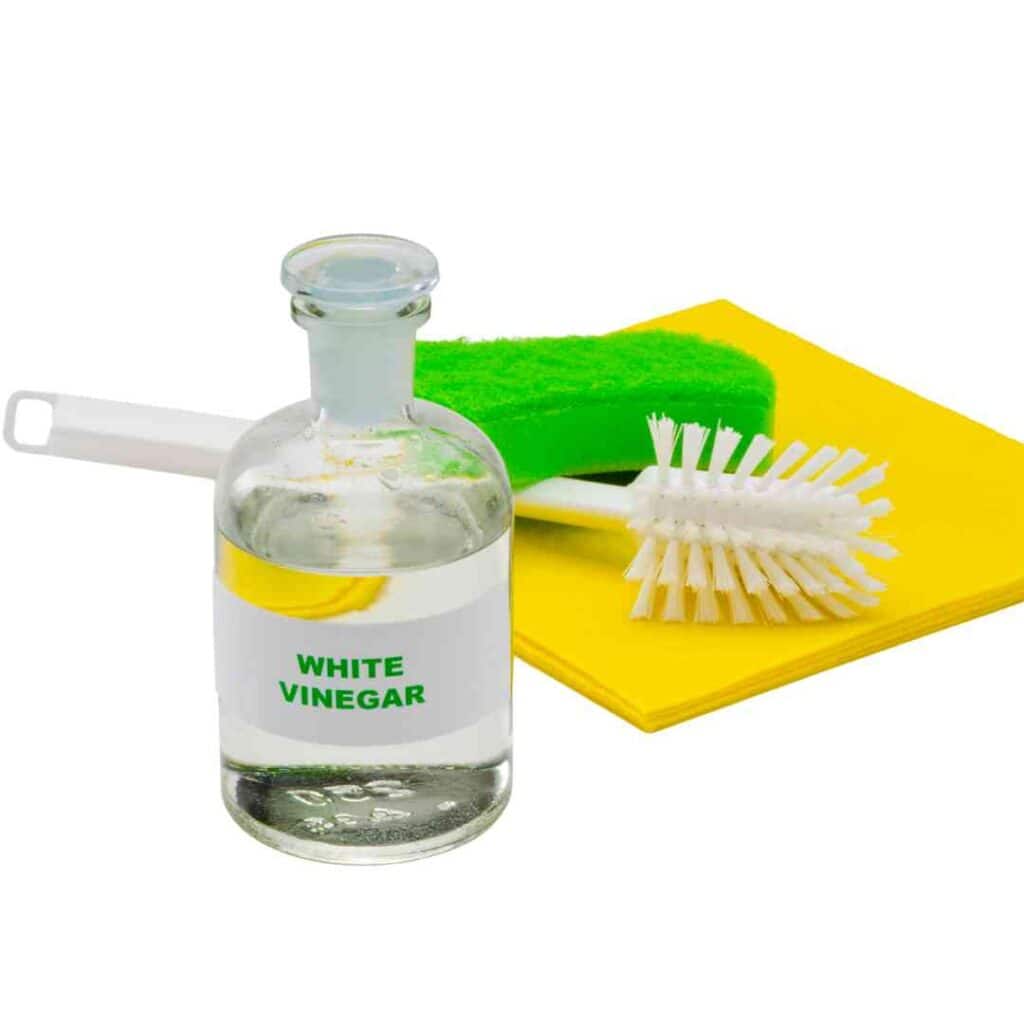
- Prepare the Vinegar Solution: Mix equal parts of white vinegar and water in a spray bottle. This diluted solution is gentle enough for whiteboards while still effective in breaking down marker stains.
- Apply the Solution: Spray the vinegar solution directly onto the stained areas of the whiteboard. Make sure to cover the entire stained surface, but avoid over-saturating the board.
- Let It Sit: Allow the solution to sit on the stains for a few minutes. This gives the vinegar time to break down the marker ink.
- Wipe the Board: Use a clean, soft cloth or a whiteboard eraser to wipe away the vinegar solution and marker stains. For best results, use a microfiber tower and wipe in a gentle, circular motion to lift the ink.
- Rinse and Dry: After wiping, rinse the whiteboard with clean water to remove any vinegar residue. Then, dry the board with a fresh, dry cloth to prevent streaks and moisture buildup.
Additional Tip: If you’re dealing with particularly stubborn stains, you may need to repeat the process or use a bit more vinegar solution. However, be cautious not to overuse vinegar to avoid potential damage to the whiteboard surface or its frame.
By following these steps, you can effectively use vinegar as a cost-effective and eco-friendly cleaning solution for your whiteboard.
Recommended Read: I created a detailed post on the ultimate guide to cleaning whiteboards. This includes everything you can use and of course, vinegar. If you’re interested, you may check this post: The Ultimate Guide to Cleaning a Whiteboard
Pros and Cons of Using Vinegar on Whiteboards
Pros of Using Vinegar on Whiteboards
- Cost-Effective: Vinegar is an inexpensive household item, making it a budget-friendly option for cleaning whiteboards.
- Eco-Friendly: Vinegar is a natural product with minimal environmental impact compared to chemical cleaners. It’s a great choice for those looking to use more sustainable cleaning methods.
- Non-Toxic: Unlike some commercial cleaners, vinegar is non-toxic and safer to use around children and pets, reducing potential health risks.
- Versatile: Besides cleaning whiteboards, vinegar can be used for a variety of household cleaning tasks, making it a versatile addition to your cleaning arsenal.
Cons of Using Vinegar of Whiteboards
- Less Effective on Stubborn Stains: Vinegar might not be as effective as specialized whiteboard cleaners or alcohol for removing older or more stubborn stains. It may require multiple applications and extra effort.
- Potential Residue: Vinegar can leave a residue on the whiteboard surface, which may affect its appearance and make it harder to write on if not thoroughly cleaned.
- Risk of Rusting: Using vinegar on whiteboards with metal frames that are not rust-resistant can lead to rusting and corrosion over time, especially if the vinegar solution is not promptly wiped off.
- Not Ideal for All Surfaces: Vinegar might not be suitable for all types of whiteboard surfaces. It is particularly not recommended for non-glass whiteboards where the frame or backing is prone to damage from acidic solutions.
Considering these pros and cons will help you decide if vinegar is the right choice for your whiteboard cleaning needs. For some boards and stains, alternative cleaning methods might be more effective or safer.
Recommended Read: Interested in effective ways to remove whiteboard stains? I created a post specifically for that. You may read it here: How to Get Permanent Marker Off a Whiteboard?
Is Vinegar Safe for All Whiteboards
Vinegar is not always safe for all whiteboards. While it can effectively clean many whiteboards, it may cause damage to certain types, particularly those with non-glass surfaces or rust-prone frames. It’s essential to consider the material and construction of your whiteboard before using vinegar.
Vinegar’s acidity can be a double-edged sword when it comes to whiteboard cleaning.
For glass whiteboards, vinegar is generally safe and effective, as it doesn’t damage the surface.
However, for non-glass whiteboards, especially those with metal frames that are not rust-resistant, vinegar can pose risks.
The acidic nature of vinegar can corrode metal components, leading to rust over time if not properly cleaned and dried.
Additionally, vinegar can leave a residue on some whiteboard surfaces, which might affect the board’s writing quality and appearance.
Therefore, it’s crucial to know your whiteboard’s material and construction before using vinegar.
For those unsure or with boards susceptible to damage, testing a small, inconspicuous area first or considering alternative cleaning methods might be wise.
So, if Vinegar is not always safe for whiteboards, are there alternatives you could use? Well, let’s discuss that next
Alternatives to Vinegar for Cleaning Whiteboards
If vinegar doesn’t seem like the best option for cleaning your whiteboard, there are several effective alternatives to consider:
Alcohol
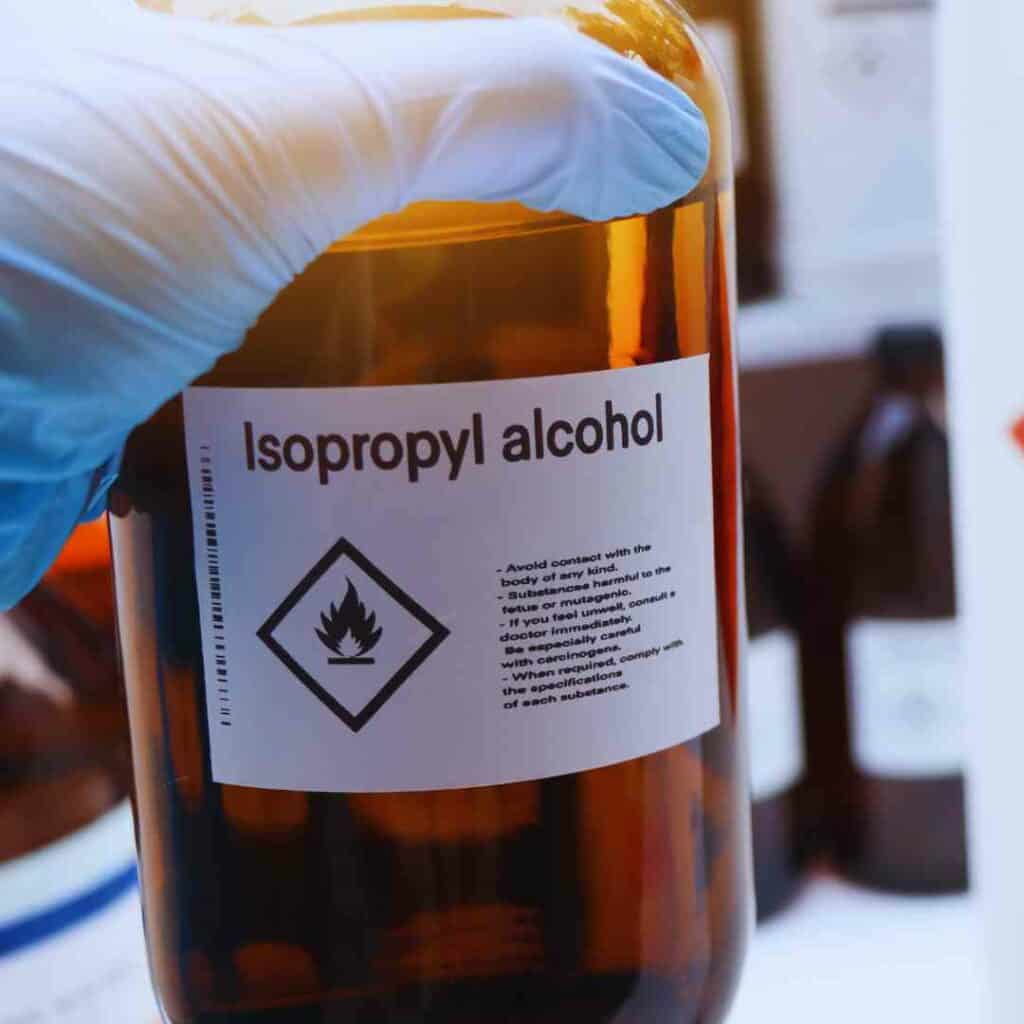
Isopropyl or Ethyl alcohol is a popular choice for cleaning whiteboards due to its strong solvent properties. It dissolves marker ink quickly and evaporates without leaving residue. Use a solution of 40-70% isopropyl alcohol and a soft cloth for best results.
I created a blog post discussing Alcohol in great detail like what I did here with Vinegar. Here is the blog post if you’re interested: Alcohol and Hand Sanitizer: Is It Safe for Whiteboards?
Whiteboard Cleaners
Specially formulated whiteboard cleaners are designed to effectively remove ink, ghosting, and stains. These cleaners are often more effective than vinegar and are designed to be safe for whiteboard surfaces.
Dry-Erase Markers
A quick trick is to draw over old marker stains with a dry-erase marker and then wipe both inks away. The fresh ink reactivates the old ink, making it easier to erase.
Microfiber Cloths
For regular maintenance and light cleaning, microfiber cloths can be very effective. They help lift and remove ink without damaging the whiteboard surface.
Magic Erasers
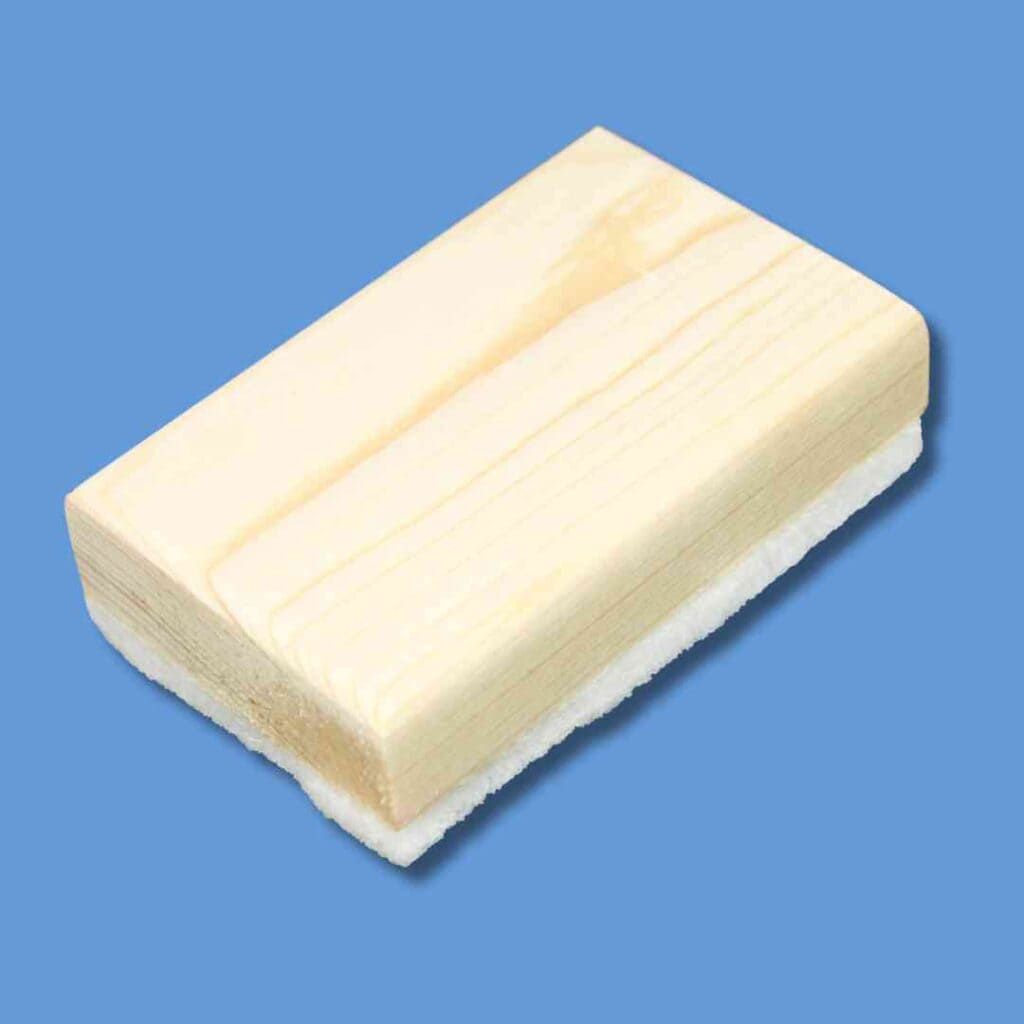
Magic erasers can be used for tougher stains and ghosting. These abrasive pads can scrub away ink and grime, but they should be used gently to avoid damaging the whiteboard surface.
Each of these alternatives offers different benefits and might be more suitable depending on the type of stains and the material of your whiteboard. For the best results, choose the method that fits your specific needs and whiteboard type.
For more information on these alternatives, you may visit our other blog post: The Ultimate Guide to Cleaning a Whiteboard.