How to Evaluate if Office Supplies Are Truly Eco-Friendly
In today’s environmentally conscious world, businesses are increasingly seeking to make sustainable choices. However, the growing number of fake eco-friendly office supplies on the market can make it challenging to determine which products are truly sustainable. This guide will help you evaluate the key factors that define genuinely eco-friendly office supplies, ensuring your business makes informed, sustainable choices.
To evaluate if office supplies are truly eco-friendly, focus on key factors like material sourcing, production methods, recyclability, and overall sustainability. Consider a product’s full lifecycle, from manufacturing to disposal, and prioritize supplies with minimal environmental impact. Certifications, transparency from manufacturers, and assessing their sustainability practices can help ensure the product is genuinely eco-friendly.
This blog post will discuss everything you need to know in identifying eco-friendly office supplies including spotting fake ecofriendly products and certifications for environmentally friendly office supplies.

What Makes an Office Supply Truly Eco-Friendly?
When evaluating truly eco-friendly office supplies, several key attributes come into play.
Sustainable materials are at the core, such as recycled or biodegradable components that minimize environmental harm. Additionally, eco-friendly office supplies should be designed with ethical production processes, which aim to reduce energy consumption, waste, and harmful emissions during manufacturing. Products made with renewable or organic resources are often more sustainable as they contribute less to resource depletion.
The product’s full lifecycle, from production to disposal, is an essential factor in determining its eco-friendliness.
This includes evaluating the environmental impact of its manufacturing, transportation, use, and eventual disposal.
Products designed for easy recycling, reuse, or composting are preferable, as they reduce landfill waste and help close the loop on resource use. A product that cannot be recycled or reused can lead to long-term environmental issues.
In addition to environmental factors, businesses should consider the social and economic impact of the products they choose.
Socially responsible office supplies support ethical labor practices and fair trade standards, ensuring that the people who produce these goods are treated with respect.
On the economic side, investing in eco-friendly supplies may involve an upfront cost but often results in long-term savings through durability, energy efficiency, and waste reduction.
Ultimately, evaluating office supplies requires a holistic approach that considers not only the product’s environmental impact but also its social responsibility and economic benefits.
By focusing on these key attributes, companies can ensure that the products they choose contribute to a more sustainable and responsible office environment, benefiting both the planet and their bottom line.
An easier way is to check for eco-friendly labels and certifications. We will discuss them next.

Eco-Friendly Labels and Certifications for Eco-Friendly Office Supplies
Trusted eco-certifications help businesses ensure they are making environmentally responsible choices when selecting office supplies. Let’s discuss them one by one.
The Forest Stewardship Council (FSC) certification is one of the most recognized eco-labels in the world for paper and wood-based products. FSC certification guarantees that the materials used in products come from responsibly managed forests that provide environmental, social, and economic benefits. By choosing products with the FSC label, companies can support sustainable forestry practices that prevent deforestation and protect biodiversity.
Cradle to Cradle is another notable certification that goes beyond typical sustainability standards. It evaluates products based on five categories: material health, material reutilization, renewable energy use, water stewardship, and social fairness. This certification ensures that the product’s design and materials are safe for human health and the environment, promoting a circular economy where products can be reused, recycled, or safely biodegraded. Products bearing the Cradle to Cradle certification are ideal for companies aiming to implement a zero-waste or circular business model.
Green Seal certification is granted to products that meet strict environmental standards, focusing on reducing human and environmental health risks. Green Seal covers a wide range of products, from cleaning supplies to office equipment, and is recognized for evaluating both product performance and sustainability. Green Seal ensures that the products are made with minimal impact on the environment, helping businesses choose products that minimize waste, energy use, and harmful chemical exposure.
For products related to energy consumption, certifications like ENERGY STAR and EPEAT play a crucial role in promoting energy efficiency. ENERGY STAR is a widely recognized certification for products that meet high energy performance standards, ensuring that office equipment like printers, computers, and lighting uses less energy while maintaining performance. EPEAT (Electronic Product Environmental Assessment Tool) is another certification that focuses specifically on electronic devices. It rates products based on their environmental attributes, such as energy use, material selection, recyclability, and end-of-life management. Both certifications guide businesses toward selecting energy-efficient products that lower operating costs and contribute to reducing carbon footprints.
These eco-certifications provide assurance to businesses that the products they are purchasing meet high sustainability standards. By selecting products with trusted certifications like FSC, Cradle to Cradle, Green Seal, ENERGY STAR, and EPEAT, companies can make informed choices that contribute to their environmental goals while also benefiting from improved product quality, efficiency, and performance.
Also remember that there are “fake” eco friendly office supplies which are called green washing. We will discuss how to spot them next.
Spotting Greenwashing in Office Supplies
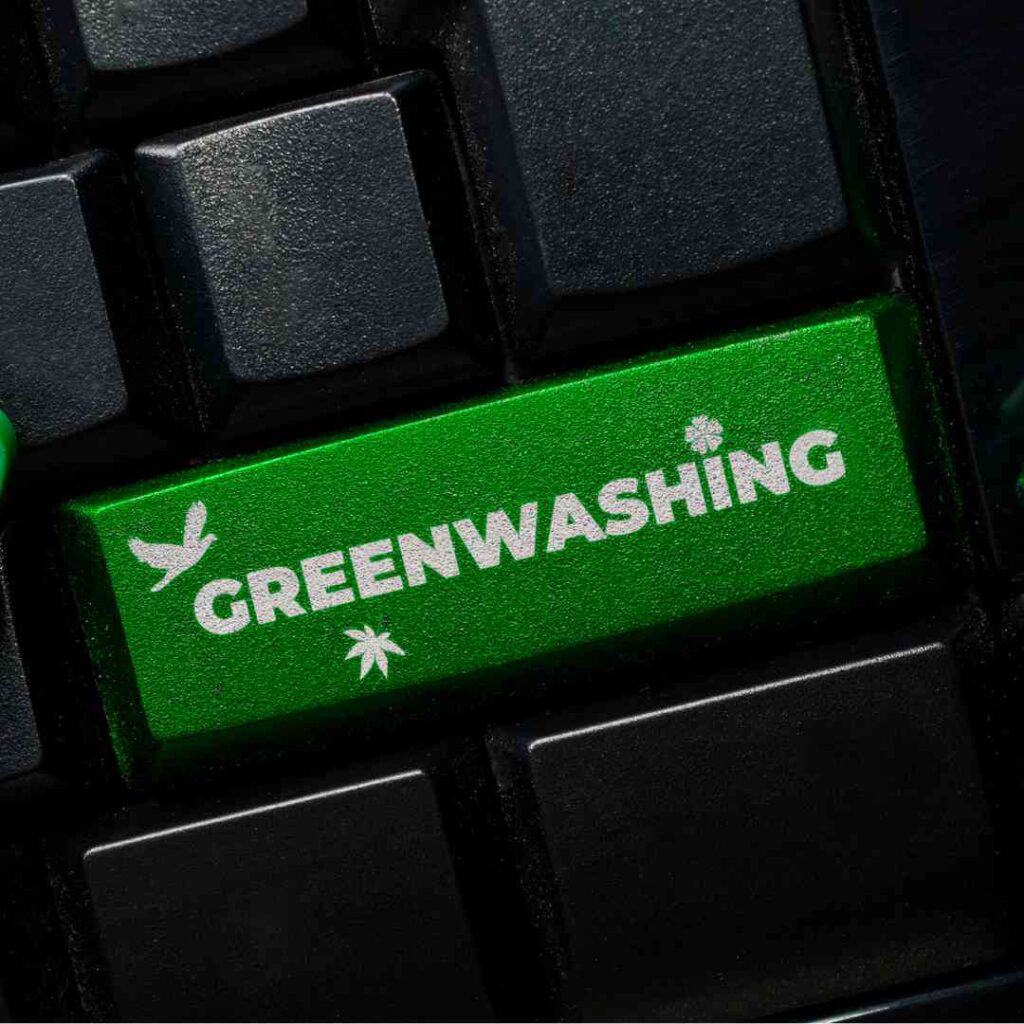
Greenwashing refers to the practice of companies misleading consumers by presenting their products as more environmentally friendly than they truly are. In essence, greenwashing is when a company uses marketing tactics or labeling to exaggerate the environmental benefits of a product without substantiating these claims.
The impact of greenwashing on the market is significant as it can mislead consumers, resulting in businesses unintentionally purchasing products that do not align with their sustainability goals.
Additionally, greenwashing undermines genuine efforts toward environmental sustainability by creating confusion and eroding trust in truly eco-friendly brands.
Common tactics used by companies engaging in greenwashing include vague or misleading labels, unverified claims, or an overemphasis on one small environmentally friendly aspect of a product, while ignoring other areas that have negative environmental impacts.
For example, a company may label a product as “eco-friendly” or “green” without providing specific details on how it meets these claims. They may also highlight one recyclable component of a product while downplaying the larger environmental impact of its production or disposal. Such tactics can give the illusion of sustainability, but they lack the transparency and accountability required to make an informed decision.
There are several warning signs and phrases to look out for when evaluating products that claim to be eco-friendly.
Labels like “green,” “natural,” or “eco-friendly” can be red flags if they are not backed up by certifications or specific details about the product’s environmental impact. Without an independent certification, these terms often lack meaning and are used purely for marketing purposes. Companies may use such vague phrases to appeal to environmentally conscious consumers while not actually committing to sustainability in their processes, materials, or packaging.
It’s important to question the legitimacy of these claims and seek further information about how the product meets eco-friendly standards.
To avoid falling for greenwashing, consumers should always look for verified eco-certifications and examine product labels carefully.
Certifications such as FSC, ENERGY STAR, or Cradle to Cradle indicate that the product has been independently evaluated for its environmental impact. If a company is hesitant to share detailed information about its products’ sourcing, manufacturing processes, or environmental benefits, it may be a sign of greenwashing.
By being vigilant and doing research, consumers can help support companies that are genuinely committed to sustainability, ensuring that their purchasing decisions align with their environmental values.
How to Evaluate a Product’s Environmental Impact
When evaluating a product’s environmental impact, one of the first factors to consider is the sustainability of the materials used in its construction.
Products made from recycled, organic, or renewable resources are often the best choices for eco-conscious consumers. Recycled materials help reduce waste by repurposing existing resources, while organic materials minimize the need for harmful chemicals and pesticides. Renewable resources, like bamboo or hemp, are replenished naturally, reducing the strain on the environment compared to non-renewable materials.
The more sustainable the raw materials, the lower the environmental impact of the product.
Packaging plays a crucial role in a product’s overall environmental impact. Eco-friendly packaging should be minimal, recyclable, and non-toxic.
Products packaged with excessive plastic or non-recyclable materials contribute to waste and pollution. In contrast, companies that prioritize eco-friendly packaging use materials such as cardboard, paper, or biodegradable options that can be recycled or composted.
Non-toxic packaging ensures that harmful chemicals are not released into the environment when the product is disposed of, further contributing to sustainability efforts. By choosing products with sustainable packaging, businesses can significantly reduce their carbon footprint.
In addition to the materials and packaging, it’s important to consider a product’s energy consumption or its lifecycle environmental footprint.
Products that consume less energy during use, such as energy-efficient office equipment or appliances with an ENERGY STAR certification, help reduce a company’s overall energy usage. Additionally, evaluating a product’s lifecycle—considering its environmental impact from production to disposal—provides a more comprehensive view of its sustainability.
Products that are durable, easy to repair, and recyclable at the end of their life cycle are generally more sustainable than those that are disposable or have a short lifespan. By considering these factors, businesses can make informed decisions that align with their environmental goals.
Tips for Choosing the Right Eco-Friendly Office Supplies
1. Assess Your Needs and Goals: Identify specific sustainability goals (e.g., reducing waste, energy consumption, or carbon footprint) and select products that align with those objectives.
2. Research Materials: Prioritize products made from recycled, renewable, or organic materials, ensuring they meet your environmental standards.
3. Evaluate Packaging: Choose products with minimal, recyclable, and non-toxic packaging to reduce waste and promote recycling.
4. Energy Efficiency: Opt for energy-efficient office equipment, such as ENERGY STAR-certified devices, to lower energy consumption.
5. Consider Durability: Select products with longer lifespans to minimize the need for frequent replacements, thus reducing waste.
6. Factor in Office Size: For small businesses, focus on cost-effective eco-friendly products. For larger corporations, consider bulk purchasing and long-term environmental benefits.
7. Check for Certifications: Look for eco-friendly certifications such as FSC, Cradle to Cradle, and ENERGY STAR to ensure the product meets sustainability standards.
8. Collaborate with Trusted Suppliers: Partner with reliable suppliers who provide transparent information about their sustainability practices and offer verified eco-friendly products.
9. Monitor Product Lifecycles: Consider the entire lifecycle of a product, from production to disposal, ensuring that it’s both sustainable and easy to recycle or dispose of responsibly.
Swift Enterprises OPC: Your Trusted Partner for Eco-Friendly Office Supplies
At Swift Enterprises OPC, we are committed to providing businesses with high-quality, eco-friendly office supplies that align with your sustainability goals. Our range of products is carefully selected to ensure they meet the highest standards of environmental responsibility, from sourcing sustainable materials to offering certifications you can trust.
We understand that transitioning to more sustainable practices can be challenging, which is why we strive to make the process as seamless as possible. Partnering with Swift Enterprises OPC means you’re choosing a supplier that not only offers eco-friendly products but also shares your commitment to a greener, healthier future for your office, your employees, and the planet.