Magnetic Whiteboards: Everything You Need to Know
Magnetic whiteboards are a staple in modern workspaces, offering more than just a surface to write on—they double as a versatile tool for organization and collaboration. With over a decade of experience in the office supplies industry, I’ll guide you through their key features, benefits, and how they compare to other whiteboard options.
Magnetic whiteboards are whiteboards that feature a steel or iron backing, allowing magnets to stick to them. They offer the dual functionality of a traditional whiteboard for writing, while also serving as a magnetic surface to attach notes, papers, or other items. This makes them ideal for both communication and organization in offices, schools, and homes.
In this post, we’ll explore their durability, price, and ghosting resistance, and help you decide if a magnetic whiteboard is the right choice for your space. Keep reading to learn which board suits your needs best!

What Are Magnetic Whiteboards?
A magnetic whiteboard works by incorporating a steel or iron layer beneath its writable surface, which allows magnets to adhere. The magnetic properties come from this underlying metal core, enabling users to easily attach papers, notes, and other items using magnets while also writing on the surface. This dual functionality enhances both organization and communication.
While this is the case, it is important to know that magnetic whiteboards are not the same as painted steel whiteboards. We will discuss about it in the next section.
The writing surface on top can vary depending on the material used, which impacts its durability and ghosting resistance.
For example, porcelain surfaces tend to be more durable and resistant to stains, while painted steel is more affordable but may require more maintenance to avoid ghosting.
Overall, Magnetic whiteboards are an excellent choice for both personal and professional use. They provide a versatile surface for writing while also allowing for easy attachment of notes and documents with magnets. Their dual functionality makes them ideal for collaboration, presentations, and organization, making them a valuable addition to any workspace or classroom.
But how do they compare to other whiteboards? Let’s discuss that next.

How Do Magnetic Whiteboards Compare to Other Whiteboards?
Magnetic whiteboards excel in versatility compared to other types like melamine, porcelain, glass, and laminate. They offer a writable surface along with the ability to attach items using magnets. While melamine is budget-friendly, it lacks durability, whereas porcelain and glass are more durable but pricier, making magnetic whiteboards a balanced choice for functionality and cost.
Magnetic whiteboards offer unique advantages over various types of whiteboards, including melamine, painted steel, porcelain, glass, and laminate.
Here is a summary of their differences.
- Melamine Whiteboards: These are typically the most affordable option but are prone to ghosting and scratching. They lack the magnetic feature, limiting their functionality for attaching documents or notes.
- Painted Steel Whiteboards: Similar in price to melamine boards, painted steel whiteboards are magnetic but can show wear and tear over time. They offer some durability but are not as resistant to ghosting as porcelain. It is also worth noting that all painted steel whiteboards are magnetic but not all magnetic whiteboards are painted steel.
- Porcelain Whiteboards: Known for their durability and scratch resistance, porcelain boards are ideal for heavy usage and do not ghost easily. They are generally more expensive than painted steel and melamine options but offer a longer lifespan and a superior writing experience. Most porcelain whiteboards are also magnetic.
- Glass Whiteboards: These high-end boards provide a sleek, modern appearance and are highly durable, resistant to scratches and ghosting. However, they are usually the most expensive option and may not have magnetic properties unless specifically designed for it.
- Laminate Whiteboards: Often budget-friendly, laminate boards are non-magnetic and less durable than other options. They can experience ghosting and scratching over time, making them less ideal for frequent use.
Recommended Read: For a full summary on the differences between all the types of whiteboards, you may check my post here: Different Types of Whiteboards
Pros and Cons of Magnetic Whiteboards
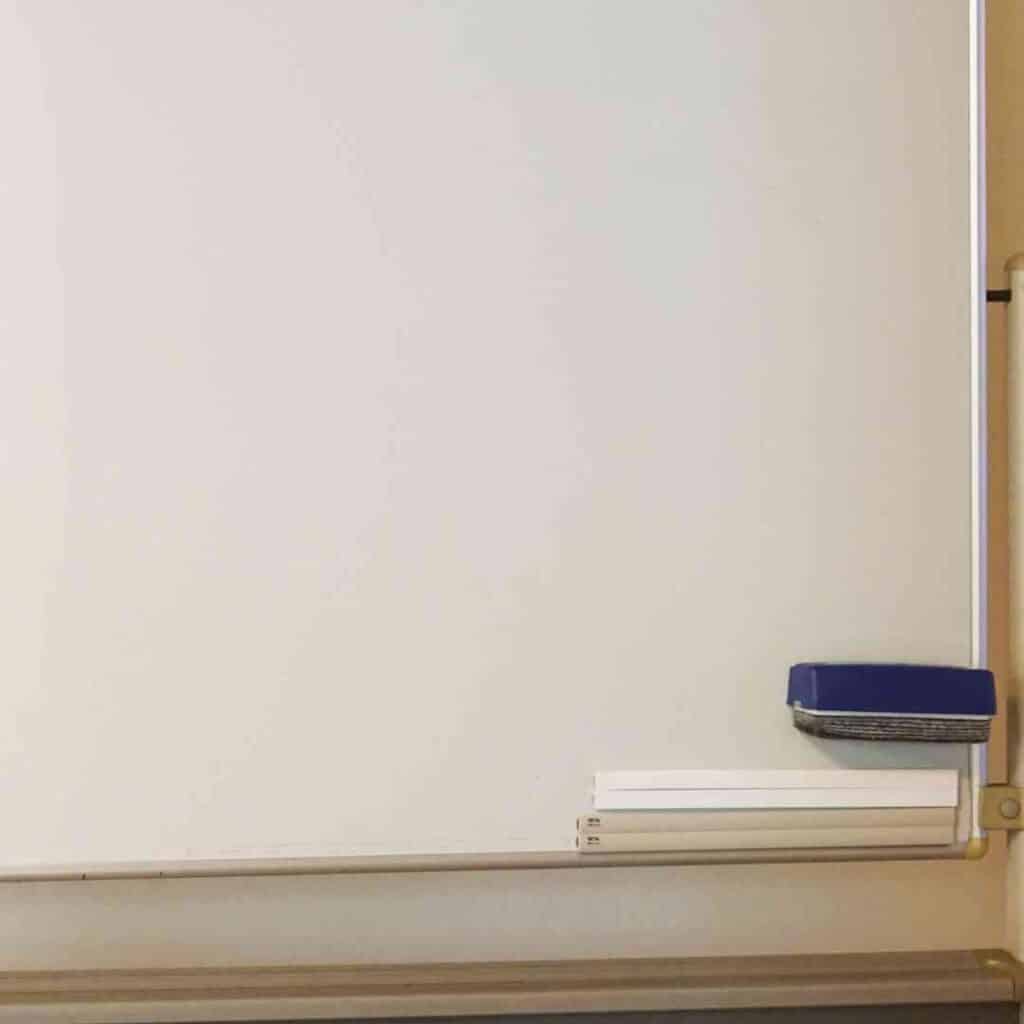
Magnetic whiteboards are versatile tools that combine writing surfaces with the ability to attach items using magnets, making them ideal for collaboration in various settings. While they offer durability and ease of use, they can be more expensive and require regular maintenance to prevent scratches and ghosting, ensuring longevity and functionality.
Pros:
- Versatile Surface: Magnetic whiteboards serve dual purposes, allowing users to write and attach items with magnets. This makes them ideal for brainstorming sessions, presentations, and organizing materials.
- Ideal for Collaboration: Their functionality enhances teamwork in offices, classrooms, and homes, enabling easy sharing and displaying of information.
- Ease of Use: The smooth writing surface allows for effortless writing and erasing, promoting efficient communication and idea sharing.
- Magnetic Functionality: The ability to attach notes, documents, and other items with magnets makes these boards practical for keeping important information visible and organized.
- Durability: Many magnetic whiteboards, especially those with porcelain or glass surfaces, are resistant to scratches and wear, ensuring longevity even with regular use.
Cons:
- Higher Cost: Magnetic whiteboards typically come at a premium compared to non-magnetic options like melamine, which may deter budget-conscious buyers.
- Maintenance Needs: They can be prone to scratches and ghosting if not properly maintained. Regular cleaning with appropriate cleaners is necessary to keep the surface clear and free of residue.
- Weight: Magnetic whiteboards, especially those made of glass or porcelain, can be heavier and more difficult to mount than lighter alternatives, which may require additional hardware or support.
- Limited Options: While many styles offer magnetic features, options may be limited in terms of colors and finishes compared to non-magnetic boards.
- Potential for Magnetic Degradation: Over time, the magnetic strength may weaken, affecting the board’s ability to hold items securely, especially if exposed to moisture or temperature fluctuations.
Now, with all of these in mind, let’s discuss if magnetic whiteboards are right for you.
Should You Buy Magnetic or Non-Magnetic Whiteboards?
Choosing between magnetic and non-magnetic whiteboards depends on your specific needs. Magnetic whiteboards offer versatility for attaching documents and notes, making them ideal for collaborative environments. In contrast, non-magnetic options are often more affordable and suitable for users who primarily need a writing surface without the added functionality of magnets.
When deciding between magnetic and non-magnetic whiteboards, consider your specific needs and usage scenarios.
Magnetic whiteboards are ideal for environments that require versatility, such as collaborative spaces where documents and notes need to be easily attached.
They are also great for educators who want to display materials alongside writing.
On the other hand, non-magnetic whiteboards, like melamine or laminate options, may be more suitable for budget-conscious users or those who primarily need a writing surface without the need for attaching items.
These boards can still serve well in environments with less frequent use or where the added functionality of magnets is not necessary.
Ultimately, the choice will depend on your budget, intended use, and maintenance preferences.
Recommended Read: So, should you choose a magnetic whiteboard or not? I created a in depth article discussing this in this post so you can have an informed decision: Magnetic vs. Non-Magnetic Whiteboards.