Laminate Whiteboards: Everything You Need to Know
Looking for an affordable whiteboard that gets the job done? Laminate whiteboards are often overlooked, but they offer surprising benefits for the right setting. I remembered supplying about 30 whiteboards of this type for a new office building, overseeing its production till delivery. Thus, here is everything you need to know about laminate whiteboards.
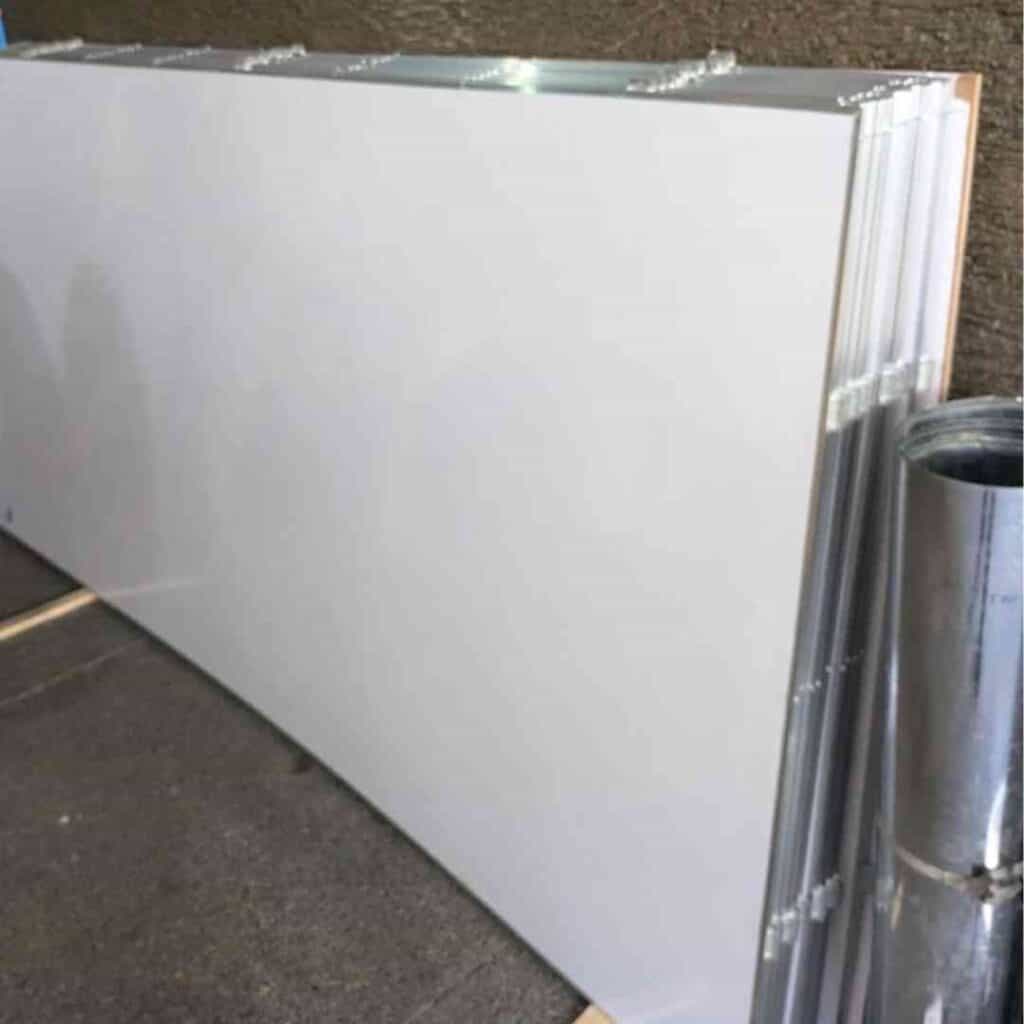
Laminate whiteboards are made with a core material, typically particleboard or Medium-Density Fiberboard (MDF), coated with a laminate surface that serves as the writing area. While not as durable as porcelain or glass, laminate boards offer a smooth surface for dry-erase markers at an affordable price. They’re ideal for light to moderate use in offices and classrooms.
In this post, we’ll dive into everything you need to know about laminate whiteboards. From their construction to how they compare with porcelain, glass, and magnetic boards, you’ll discover if this budget-friendly option is the right choice for your space. Don’t miss out on key insights to help you decide!

What Are Laminate Whiteboards?
Laminate whiteboards are built using a core material, typically made from particleboard or Medium-Density Fiberboard (MDF), which provides a strong yet lightweight foundation.
MDF, or Medium-Density Fiberboard, is an engineered wood product made by breaking down hardwood or softwood residuals into wood fibers. These fibers are combined with wax and resin and pressed into panels under high heat and pressure. MDF is dense, smooth, and more stable than regular wood, making it a common choice for furniture, cabinetry, and, in this case, the core of laminate whiteboards due to its affordability and durability.
This core is covered with a laminate surface designed for dry-erase use, offering a smooth surface for easy writing and erasing.
While laminate boards are more prone to ghosting and wear compared to higher-end options like porcelain or glass, they stand out for their affordability, making them an attractive option for budget-conscious users.
Laminate whiteboards are commonly used in offices, classrooms, and homes, where moderate usage and low cost are important factors. With proper care, they serve as a practical, cost-effective solution for everyday writing needs.
But how do they compare compared to other whiteboards? We will discuss that next.

How Do Laminate Whiteboards Compare to Other Whiteboards?
Compared to other whiteboards, Laminate whiteboards are budget-friendly but may lack the durability of other options. Melamine boards are similar but prone to scratches. Painted steel offers durability and magnetism, while porcelain and glass boards provide superior ghosting resistance and longevity at higher prices.
When comparing laminate whiteboards to other types like melamine, painted steel, porcelain, glass, and magnetic whiteboards, several key factors come into play, including durability, ghosting resistance, price, and ease of cleaning.
- Melamine Whiteboards: Melamine boards are similar to laminate in terms of affordability and construction. However, melamine surfaces can be more prone to scratches and ghosting, making them less durable than laminate options over time. They are best suited for light use and can be harder to clean if ghosting occurs.
- Painted Steel Whiteboards: Painted steel boards provide a more durable surface than laminate and are magnetic, allowing users to attach notes and documents easily. They are resistant to ghosting and easier to clean, but they can be more expensive. However, they may still scratch more easily than porcelain or glass.
- Porcelain Whiteboards: Porcelain boards are considered high-end options, known for their durability and resistance to ghosting. They are easy to clean and have a longer lifespan compared to laminate and other lower-cost options. However, porcelain boards come with a higher price tag, which may not fit every budget.
- Glass Whiteboards: Glass whiteboards offer a sleek, modern look and are highly resistant to ghosting and scratches. They are also very easy to clean, making them a premium choice for a writing surface, but their price point is significantly higher than laminate whiteboards, making them a less accessible option for many users.
- Magnetic Whiteboards: Magnetic whiteboards are versatile, serving as both writing surfaces and display boards for attaching notes. While laminate boards are non-magnetic, magnetic whiteboards are generally more durable, easier to clean, and offer greater functionality, but at a higher price.
Recommended Read: I created a blog post detailing the differences between various types of whiteboards, you may find it here: Different types of whiteboards.
Pros and Cons of Laminate Whiteboards
Laminate whiteboards are an affordable and lightweight option, making them easy to install and suitable for casual use. However, they are prone to ghosting, scratches, and have a shorter lifespan compared to more durable options. Additionally, they lack magnetic functionality, limiting their versatility in various settings.
Pros:
- Affordable: Laminate whiteboards are budget-friendly, making them an accessible choice for schools, offices, and homes.
- Lightweight: Their construction makes them easy to handle and install, allowing for flexible placement in any environment.
- Easy to Install: Laminate boards are straightforward to mount, whether on walls or as part of a mobile whiteboard system.
- Variety of Sizes and Colors: Laminate whiteboards are available in various sizes and colors, allowing users to choose the best fit for their space and style.
- Good for Casual Use: Ideal for light to moderate use, they can serve well in settings like classrooms or brainstorming sessions where frequent changes are needed.
- Easy to Write On: The smooth laminate surface allows for effortless writing, making it suitable for everyday use.
Cons:
- Prone to Ghosting: Over time, dry-erase markers can leave behind marks that are difficult to remove, leading to a cluttered appearance.
- Scratches Easily: The laminate surface can be susceptible to scratches, especially with heavy use, impacting its overall aesthetics and functionality.
- Shorter Lifespan: Compared to higher-end whiteboards, laminate boards generally have a shorter lifespan, particularly in high-traffic areas.
- Limited Magnetic Functionality: Unlike painted steel or magnetic whiteboards, laminate boards do not allow for magnet attachment, limiting their versatility.
- Less Durable: They may not withstand heavy usage or harsh cleaning chemicals, leading to quicker deterioration.
- Difficult to Clean Stains: While easy to clean initially, stubborn stains from permanent markers or certain dry-erase inks can be challenging to remove, requiring special cleaners.
Recommended Read: Since laminate whiteboards are difficult to clean, I recommend reading my complete Whiteboard cleaning guide here if you plan to properly maintain your whiteboard: Complete Whiteboard Cleaning Guide.
Now that you now have an idea on laminate whiteboards, let us discuss in the next section if it is right for you.
Should You Buy a Laminate Whiteboard?
Laminate whiteboards are best suited for environments where budget constraints and moderate usage are primary considerations.
They are ideal for classrooms, home offices, and casual meeting spaces where light to moderate writing and brainstorming occur.
In these settings, laminate boards offer a practical solution without breaking the bank.
When comparing laminate boards to higher-end options like porcelain or glass, several factors come into play.
While laminate whiteboards are significantly more affordable, they sacrifice some durability and longevity.
Porcelain and glass boards are resistant to ghosting, scratches, and wear, making them suitable for high-traffic areas with frequent use. However, their higher price points may not be justifiable for everyone, especially in settings where the whiteboard will not be heavily used.
Ultimately, the decision to buy a laminate whiteboard should be based on your specific needs. If you require a versatile, cost-effective option for light use, laminate whiteboards can be an excellent choice. However, if durability and performance are paramount, investing in a porcelain or glass board may provide better long-term value.